The Curatorial Continuum: Capacity and Care in Transition
The Curatorial Continuum: Capacity and Care in Transition
The leadership change at the Fabulous Festival of Fringe Film (FabFilmFest), marking the transition from Clayton Windatt to Julie René de Cotret, is best understood not as a clean break, but as a meticulously managed continuum within a shared artistic collective. As key members of the founding Grey Zone Collective (GZC), both Windatt and René de Cotret share a fundamental institutional alignment: a dedication to presenting contemporary, experimental, and interventionist time-based art in rural public spaces on Saugeen Ojibway Nation Territory. Their overlapping history as programmers and curators provides a bedrock of shared understanding for the festival’s unique mission and complex logistical challenges.
Windatt’s tenure, from 2021 to 2023, significantly shaped the FabFilmFest's ethical and thematic focus. As a non-status Indigenous, non-binary multi-artist, Windatt prioritized themes of social justice, Indigenous perspectives, and community integration, decisively shifting marginalized groups from being perceived as “Other” to integral parts of the rural cultural landscape. The formal transference of leadership to René de Cotret, a Franco-Ontarian artist-programmer with extensive experience in curatorial projects and artist residency management, maintained this core commitment.
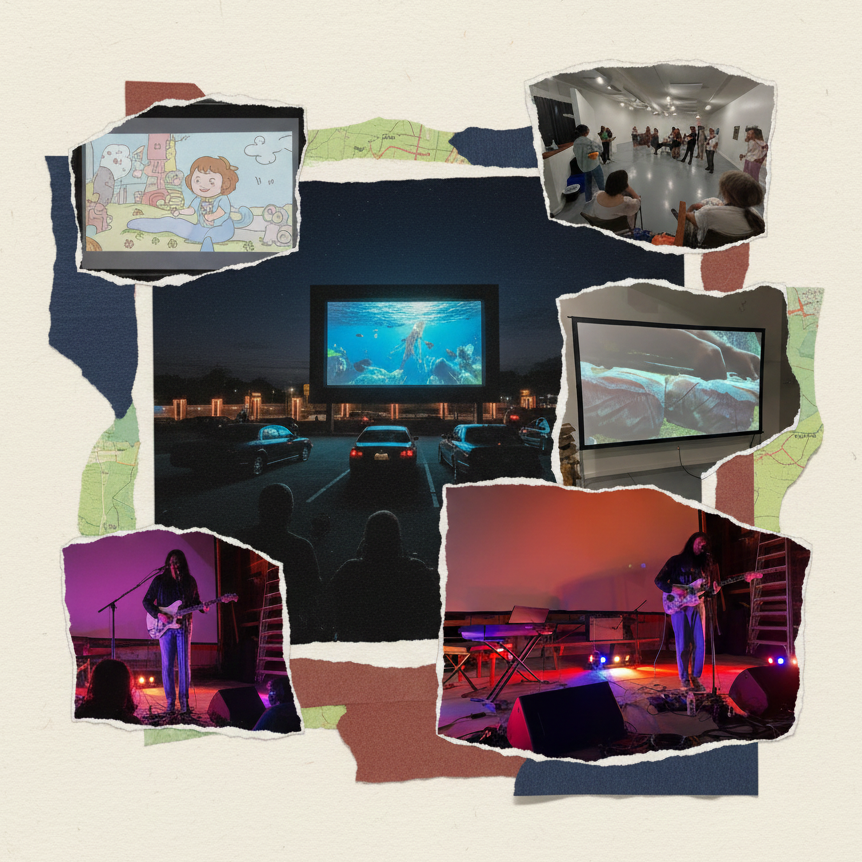
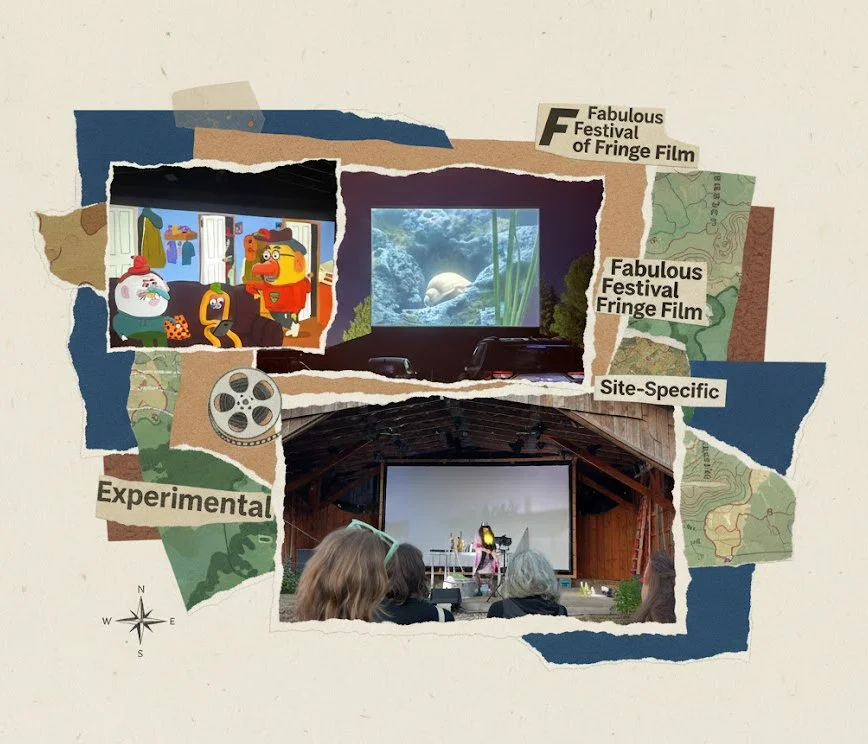
The Fabulous Festival of Fringe Film 2025 (July 17–20) served as a powerful demonstration of this sustained curatorial vision. Utilizing unconventional venues like the Hanover Drive-In and Glencolton Farms, the event reaffirmed its focus on alternative voices and interventionist work. Highlights such as the opening night program, "Outer Worlds," which showcased experimental IMAX commissions from leading Canadian artists, and the screening of Jennifer Dysart’s Kewekapawetan: Return After the Flood, secured the festival’s commitment to artistic rigor and dialogue on the local territory. Crucially, the dedication to accessibility, with all admission fees waived and continued preference for works by marginalized creators, underscored the enduring commitment established during Windatt’s directorship.
The active, post-festival collaboration between the former and current Artistic Directors on development for 2026, as an inter-director curatorial feasibility study, is more than an internal knowledge transfer; it is a strategic necessity in the current Canadian arts climate.
As public funding for the arts in Canada faces ongoing contraction and uncertainty, cultural organizations must maximize their existing capacity. For niche, non-profit groups like FabFilmFest, collaboration is the most effective safeguard against organizational failure. Windatt provides the practical expertise required to manage the unique technical and safety demands of rural, unconventional venues, offering support while René de Cotret synthesizes this data into viable, high-quality artistic frameworks. This joint effort ensures that every scarce dollar of funding is leveraged not just for events, but for securing the technical and safety integrity of the organization’s future programming. The compensated efforts dedicated to research are critical not just for logistics, but for demonstrating ethical infrastructure of "paid care time," essential for preventing burnout and formalizing the crucial knowledge transfer that underpins the festival’s ability to continue bold, interventionist programming.
The FabFilmFest's ongoing exploration of highly site-specific venues highlights a major systemic challenge: the lack of permanent, purpose-built cultural infrastructure in rural Canada.The festival's work in activating unique, found spaces for artistic presentation demonstrates an incredible resourcefulness. These environments offer unparalleled opportunities for deeply immersive sensory experiences.
The collaborative foundation established by Clayton Windatt and Julie René de Cotret guarantees an exhilarating future for the Fabulous Festival of Fringe Film. Looking ahead to 2026, the ongoing inter-director curatorial research promises not just another festival, but a radical redefinition of the cinematic experience within a rural landscape.